Why Peak Season Exposed the Limits of Legacy Platforms and Why Shopify Is Emerging as a Future-Ready Foundation
Peak season has a way of telling the truth. When traffic spikes and expectations go up, your tech stack either holds steady… or it turns your team into a support desk.
This past BFCM made the gap obvious. Some brands spent November protecting uptime. Others spent it trading, testing, and squeezing every lever that moves revenue.
Looking at year-on-year BFCM performance across brands we supported, the difference was clear. Conversion rates increased by an average of 18 to 30% year on year, average order value lifted by up to 40%, and peak trading periods ran without stability or performance disruptions.
The gains weren’t driven by heavier discounting or last-minute tactics. They came from disciplined preparation, controlled execution, and platforms that removed friction for teams when it mattered most.
2026 is the year to fix the foundations, not because it’s trendy, but because standing still is getting expensive.
Performance that Holds Up When It Matters Most

Quicker Page Loads & 38% Faster Speed Index
This year highlighted a truth most teams already understood: when traffic doubles or triples, legacy platforms simply can’t keep up. Peak season exposed issues that have been simmering all year: Slow pages, inconsistent load times, and checkout flows that struggled under pressure.
For many non-Shopify retailers, the busiest week of the year became a scramble to keep the lights on. Teams found themselves:
- fighting infrastructure or hosting limitations
- throttling campaigns to avoid crashing the site
- restricting changes to maintain stability
All of this effort went into survival rather than peak trading.
Shopify merchants saw the opposite.
The platform’s auto-scaling infrastructure absorbed traffic spikes without intervention, and its global edge network kept storefronts fast even under sustained load. For brands already on Shopify but operating with heavily customised themes or script-heavy pages, peak season offered a clear reminder: optimising your storefront still matters. Not because Shopify can’t handle scale, but because every millisecond counts when customers are ready to buy.
We’ve seen this pattern play out repeatedly during peak. In a previous post, we shared several examples of how performance-focused foundations translated into stronger BFCM outcomes for brands that were prepared.
The Shift From Firefighting to Execution
One of the clearest divides this season was operational. Many brands spent much of November and December in defensive mode: managing deploy freezes, coordinating infrastructure escalations, untangling caching issues, and working around systems that simply couldn’t move at the pace of trade.
Shopify brands, meanwhile, had the freedom to focus on trading rather than triage. They could:
- Adjust messaging in real time
- Refine promotions and marketing campaigns quickly
- Optimise content without waiting for developer support
- Extend campaigns or launch seasonal updates safely
For those already on Shopify but not fully leveraging Online Store 2.0, content sections, or theme modularity, modernising the storefront now offers a clear win: less reliance on developers and faster iteration all year round.
Speed to Market Is Now a Competitive Advantage

Customers evolve fast. Platforms need to move faster.
For many non-Shopify retailers, even simple enhancements such as a new landing page, a merchandising tweak, and an updated navigation ballooned into multi-team, multi-week projects this peak season. Custom code, outdated architecture and siloed systems turned small ideas into slow-moving workstreams.
Shopify has been engineered for the opposite.
The ecosystem of trusted apps, APIs, extensibility tools, and storefront flexibility enables brands to launch, test and iterate quickly.
And for brands already on Shopify, 2026 is the year to graduate from basic setup to a genuinely dynamic trading environment: automated merchandising, A/B testing tools like the recently announced Rollouts, Shopify Functions, and improved storefront search are all now part of the platform’s core toolkit.
Unified Customer Experiences Will Define 2026
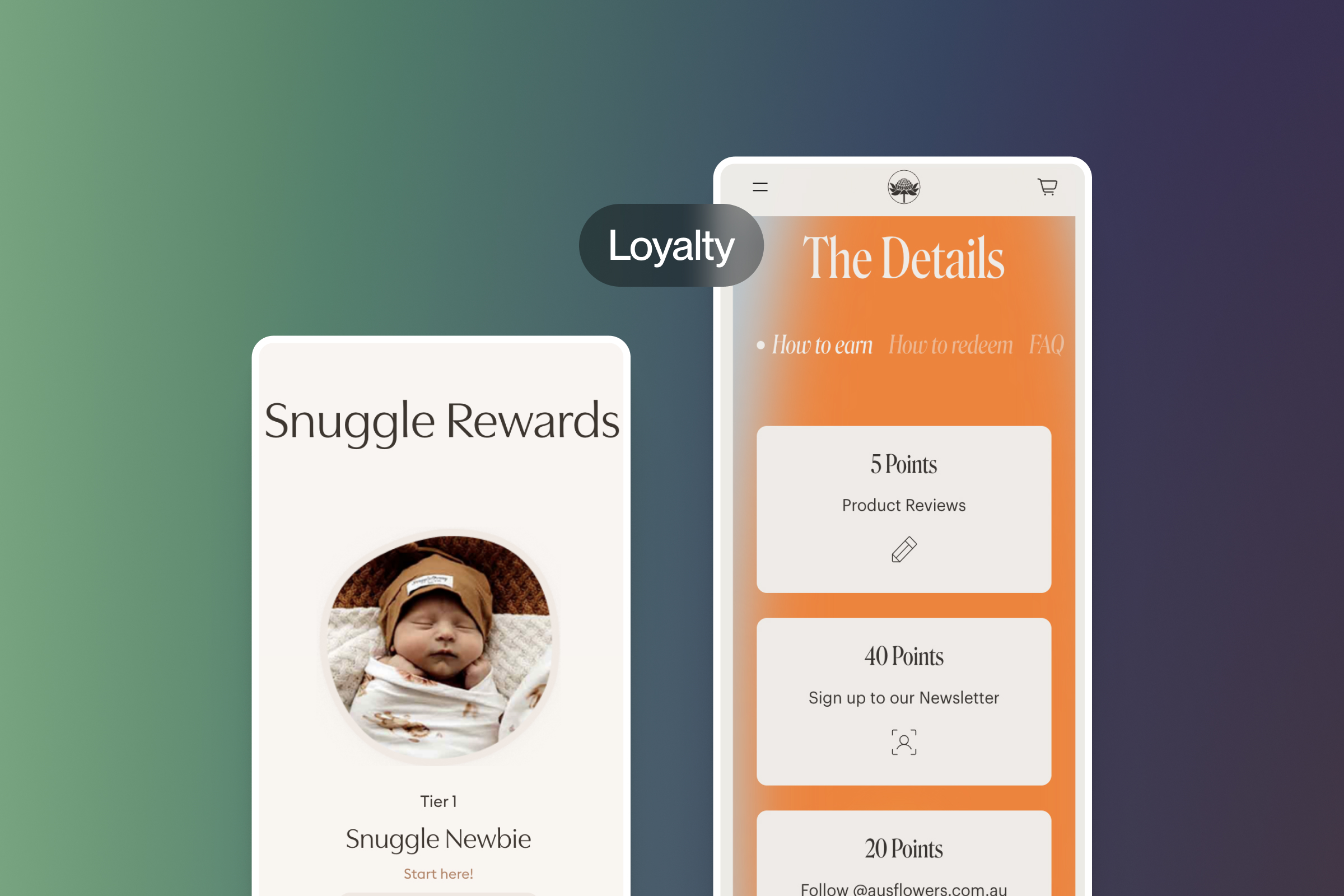
Today’s customers don’t experience your brand in channels; they experience it in moments. Online, in-store, through loyalty programs, through mobile, through social commerce.
Yet retailers on older platforms often struggle with fragmentation year-round. Data often lives in separate systems, loyalty programs don’t always sync in real time, and personalisation can fail to reach its full potential when it relies on outdated or siloed information. The result is a disjointed customer journey that undermines conversion, loyalty, and long-term growth.
Platforms built for unified commerce, like Shopify, make it easier to centralise customer data, connect loyalty and personalisation, and deliver seamless experiences across D2C, B2B, mobile, social and POS in-store touchpoints. Even merchants already on Shopify can benefit by fully leveraging its customer platform, real-time segments, and integrated tools to remove friction and create consistently connected experiences.
AI Will Be the Operating System of Retail, If Your Platform Can Support It
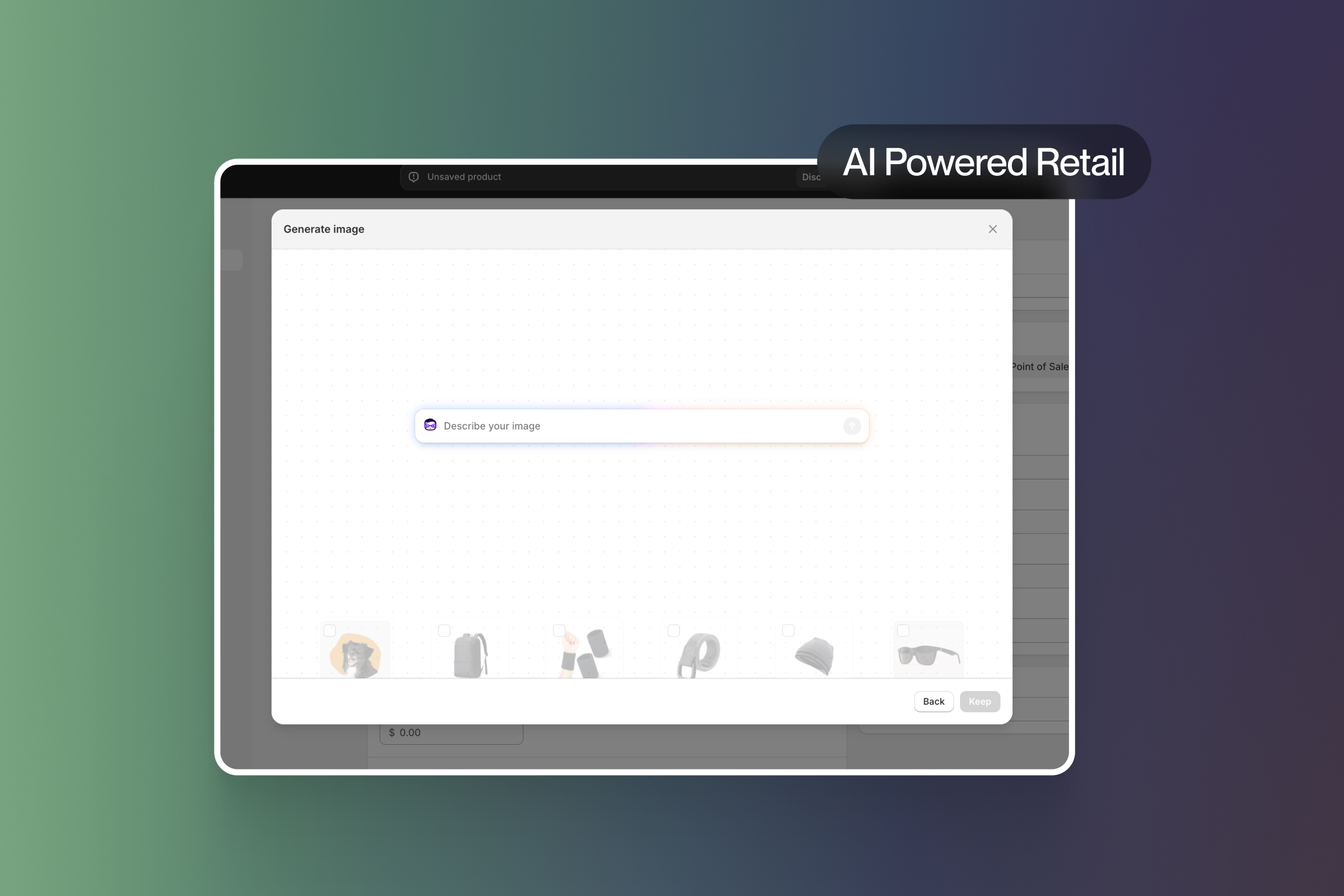
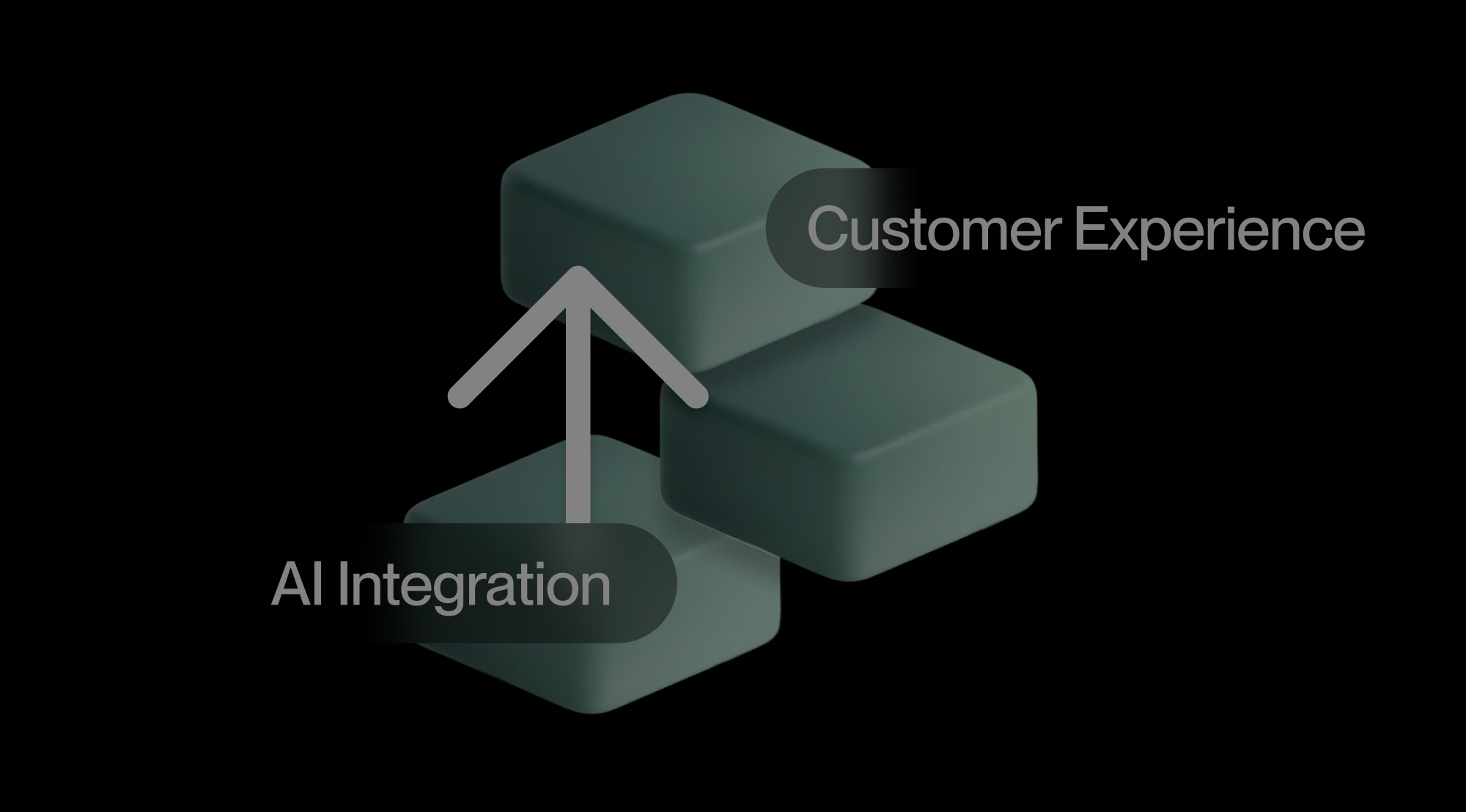
AI is rapidly moving from experiment to essential infrastructure for ecommerce. It’s reshaping merchandising, forecasting, personalisation, content creation, and customer service. Brands that adopt it with intent will have a clear advantage.
The challenge is that AI can only deliver if your platform can structure, process, and serve data at scale. Many legacy or heavily customised systems make this difficult, with data trapped in silos or requiring manual activation to generate insights.
Platforms like Shopify are designed to integrate AI capabilities without the need for a complete rebuild. From automated content generation to recommendation engines and advanced developer tools, AI can now enhance operations rather than create new complexity.
For merchants already on Shopify, 2026 presents an opportunity to fully adopt these tools, freeing teams from repetitive tasks and unlocking the bandwidth to focus on growth and innovation.
The True Cost of Legacy Systems Became Impossible to Ignore
The real story of BFCM isn’t the outages or slow pages; it’s the hidden cost they masked.
Retailers on non-Shopify platforms absorbed:
- Emergency developer hours
- Overprovisioned hosting
- Abandoned tests and features
- Lost revenue from slow pages and checkout friction
- Marketing spend wasted on failing user experiences
For many, the financial and operational cost of maintaining legacy infrastructure now outweighs the cost of modernising.
Shopify is not just a cost decision; it’s a pace decision, a performance decision, and increasingly, a strategic decision.
2026: The Year to Reassess Your Foundations
Whether you’re managing a legacy enterprise build or running a Shopify store that has grown more complex than your team can comfortably maintain, 2026 is the moment to simplify, modernise and build for the future.
A strong platform shouldn’t demand your attention. It should give it back to you.
- Commit to fast, stable, reliable performance
- Reduce operational drag and developer dependency
- Build unified customer experiences that flow naturally across channels
- Embrace AI as part of their operating rhythm
- Prioritise speed to market and flexible experimentation
In our experience, these challenges often surface when teams outgrow their existing platform and begin exploring options like Shopify.
For others already on the platform, it means embracing the full breadth of what Shopify now makes possible.
Either way, the message from peak season is clear: the cost of standing still is rising, and the brands preparing now will win the next one.
Are you ready to future-proof your ecommerce brand in 2026? If you want a clear-eyed view of what’s holding your store back (and what to prioritise first), we can help. We’ll map the quickest wins, the bigger bets, and what “ready for next peak” actually looks like for your team.