Every six months Shopify releases Editions, unveiling hundreds of new features, updates and improvements across the platform.
The challenge for merchants is separating the genuinely important updates from the nice-to-haves.
Spring ’26 is a significant release, not just because of the individual features, but because of the direction it signals. Beyond the individual features, it reveals a much bigger shift in how Shopify sees the future of commerce: one where AI becomes a shopping channel, automation becomes a business operator, and merchants spend less time managing platforms and more time growing their brands.
Here's what we think matters most.
1. AI Shopping Is Moving From Concept To Reality
What it is
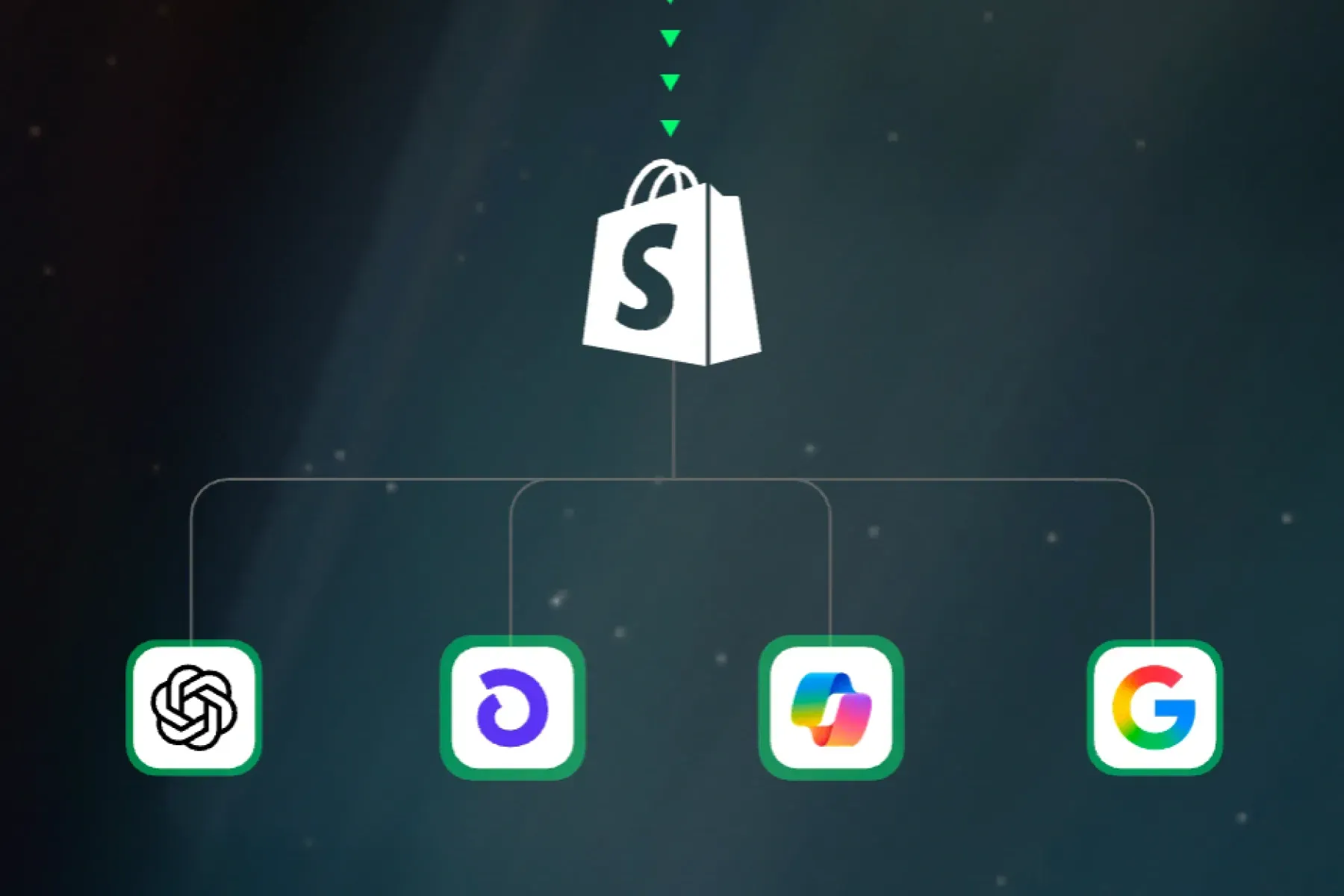
Shopify has introduced the foundations for what it calls Agentic Commerce, enabling AI assistants to discover products, recommend purchases and eventually complete transactions on behalf of customers.
Through initiatives like the Shopify Catalog and Universal Commerce Protocol (UCP), Shopify is preparing merchants for a future where customers increasingly shop through AI-powered experiences.
Why it matters
Historically, customers found products through search engines, social media, marketplaces or direct website visits.
Increasingly, they'll simply ask an AI assistant for a recommendation.
Instead of browsing multiple websites, customers may ask:
"Find me the best black leather weekender bag under $300."
The AI will research options, compare products and potentially facilitate the purchase.
This fundamentally changes how products are discovered online.
What merchants should do
- Audit product titles and descriptions
- Improve product imagery
- Ensure product information is accurate and structured
- Review collections and categorisation
- Invest in richer product content
The brands with the cleanest and most informative product data will likely benefit first.
Key takeaway
Your product catalogue is becoming just as important as your storefront.
2. Sidekick Is Becoming a Business Operator
What it is
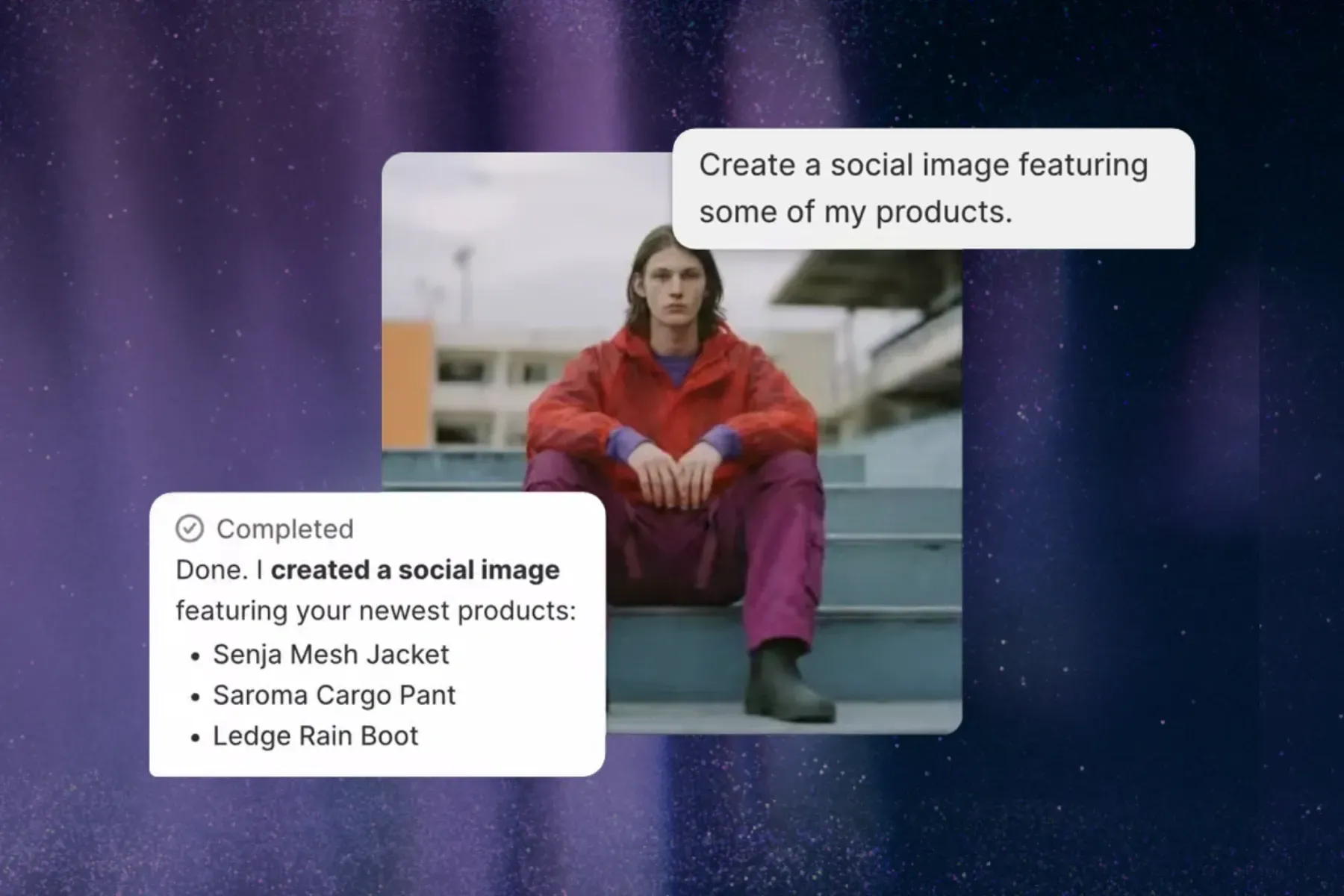
Sidekick received a significant upgrade in Spring ’26. What started as a helpful chatbot is rapidly evolving into a genuine ecommerce assistant capable of analysing store performance, answering complex business questions and taking action on behalf of merchants.
Why it matters
Most merchants don't need more dashboards.
They need answers.
Instead of manually digging through reports, Sidekick can increasingly help identify trends, surface opportunities and explain what's happening in the business.
More importantly, Shopify is beginning to connect Sidekick with apps and workflows throughout the platform. This signals a shift from AI providing information to AI helping execute decisions.
What merchants should do
- Start using Sidekick regularly
- Experiment with reporting and analysis prompts
- Use it to investigate sales trends and merchandising opportunities
- Look for operational tasks that can be automated
Key takeaway
Sidekick is evolving from a chatbot into a business operator.
3. Shopify Finally Brings Native A/B Testing
What it is
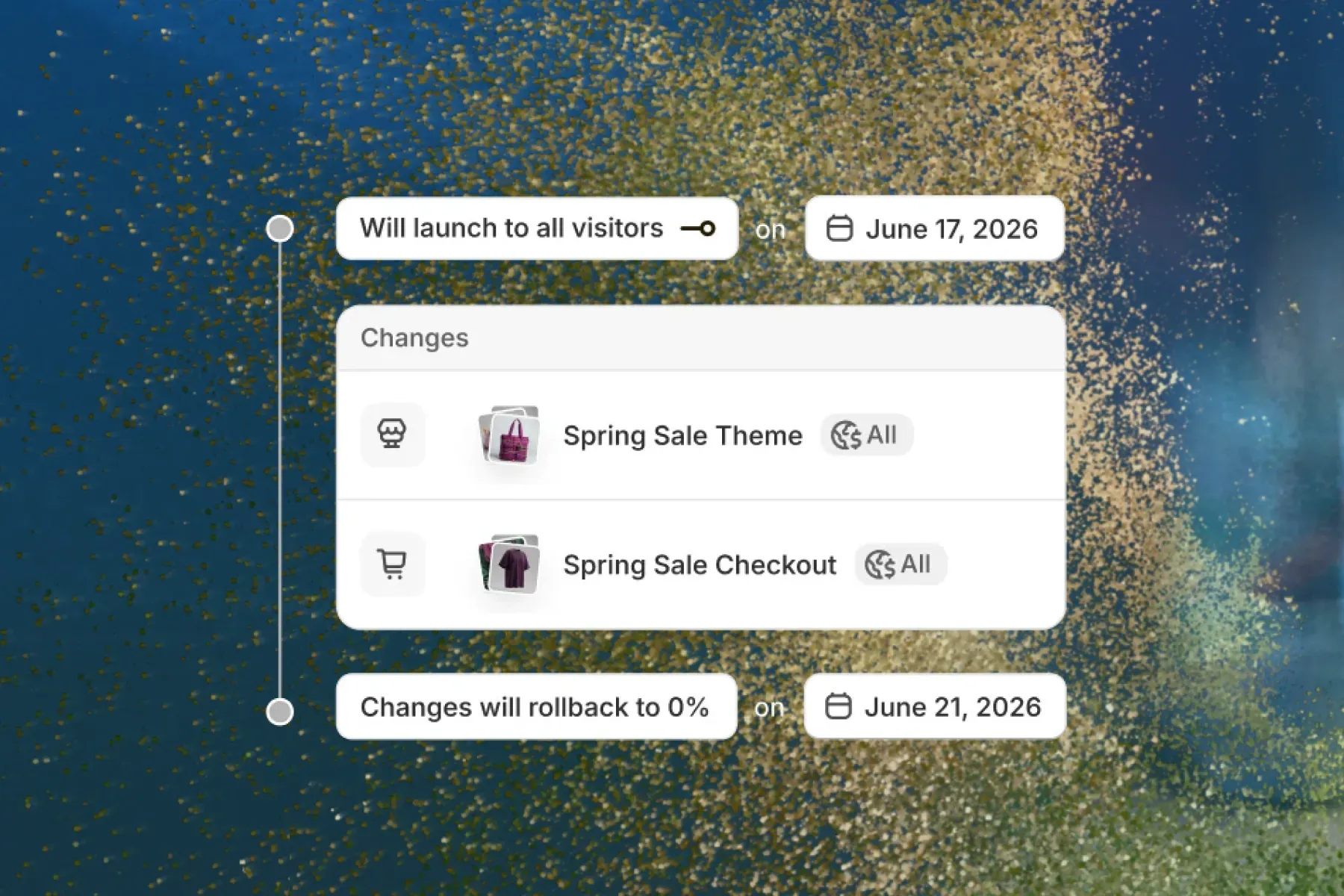
Shopify has introduced native experimentation and rollout tools, making it easier to test changes before deploying them to all customers.
Why it matters
Many ecommerce decisions are still based on opinions. Testing replaces assumptions with evidence.
Small improvements to conversion rates often generate larger returns than major redesigns.
What merchants should do
Test:
- Homepage messaging
- Product page layouts
- Promotional offers
- Merchandising changes
- Navigation structures
Create a culture of continuous optimisation rather than one-off redesign projects.
Key takeaway
Stop debating changes and start testing them.

4. Marketing Automation Is Moving Closer To Commerce
What it is
Shopify has expanded its marketing automation capabilities through Campaign Autopilot, improved channel integrations and enhanced customer engagement tools.
For smaller merchants, this makes it easier to get foundational marketing activity up and running directly within Shopify. For more established merchants, the bigger opportunity is not replacing specialist tools or performance marketing partners, but creating a more connected marketing ecosystem where Shopify plays a stronger role in customer data, segmentation and lifecycle triggers.
Why it matters
Most mid-market merchants are not short on marketing tools. They are often dealing with the opposite problem: too many disconnected systems, duplicated workflows and unclear ownership across platforms.
As Shopify brings more automation closer to the commerce layer, merchants have an opportunity to review what should happen natively in Shopify, what should remain in specialist platforms like Klaviyo, and how each part of the stack should work together.
Automation performs best when it is connected to clear strategy, strong data and well-defined customer journeys.
What merchants should do
- Review your marketing technology stack
- Audit existing lifecycle journeys and automations
- Identify duplicated or conflicting workflows
- Improve segmentation and customer data quality
- Clarify what should sit in Shopify versus specialist platforms
- Align with performance and lifecycle marketing partners
Key takeaway
Shopify’s native marketing tools are raising the baseline, but established brands still need a clear lifecycle strategy and the right partner ecosystem.

5. Checkout Remains Your Biggest Conversion Opportunity
What it is
Spring '26 introduces several checkout improvements designed to reduce friction and improve flexibility throughout the purchasing journey.
One notable enhancement is expanded fulfilment flexibility, allowing customers to combine delivery and pickup options within a single order.
While features like this may seem minor, they address real-world purchasing behaviour and remove unnecessary barriers during checkout.
Why it matters
Every improvement at checkout directly impacts revenue.
Reducing friction during the final stage of the buying journey often produces some of the highest ROI opportunities in ecommerce.
What merchants should do
Review:
- Checkout abandonment rates
- Mobile checkout experience
- Delivery options
- Payment methods
- Shop Pay adoption
Key takeaway
Conversion gains are increasingly coming from checkout optimisation.

6. Shop Pay Goes Everywhere
What it is
Shop Pay has become one of Shopify's strongest competitive advantages.
Its speed, convenience and familiarity consistently help improve checkout conversion rates.
With Spring '26, Shopify continues expanding where and how Shop Pay can be used, extending its reach beyond traditional Shopify storefronts.
Why it's important
Shop Pay consistently delivers some of the highest checkout conversion rates in ecommerce.
Its expansion means customers can experience the same fast checkout flow in more places.
What merchants need to know
The easier it is for customers to complete purchases, the more likely they are to convert.
As consumer attention spans continue to shorten, reducing friction during checkout remains one of the simplest ways to improve performance.
If you aren't actively promoting Shop Pay, you're likely missing conversion opportunities.
Review:
- Shop Pay adoption
- Installment offerings
- Mobile checkout behaviour
Key takeaway
Fast checkout continues to be a competitive advantage.
7. Better Data, Better Decisions
What it is
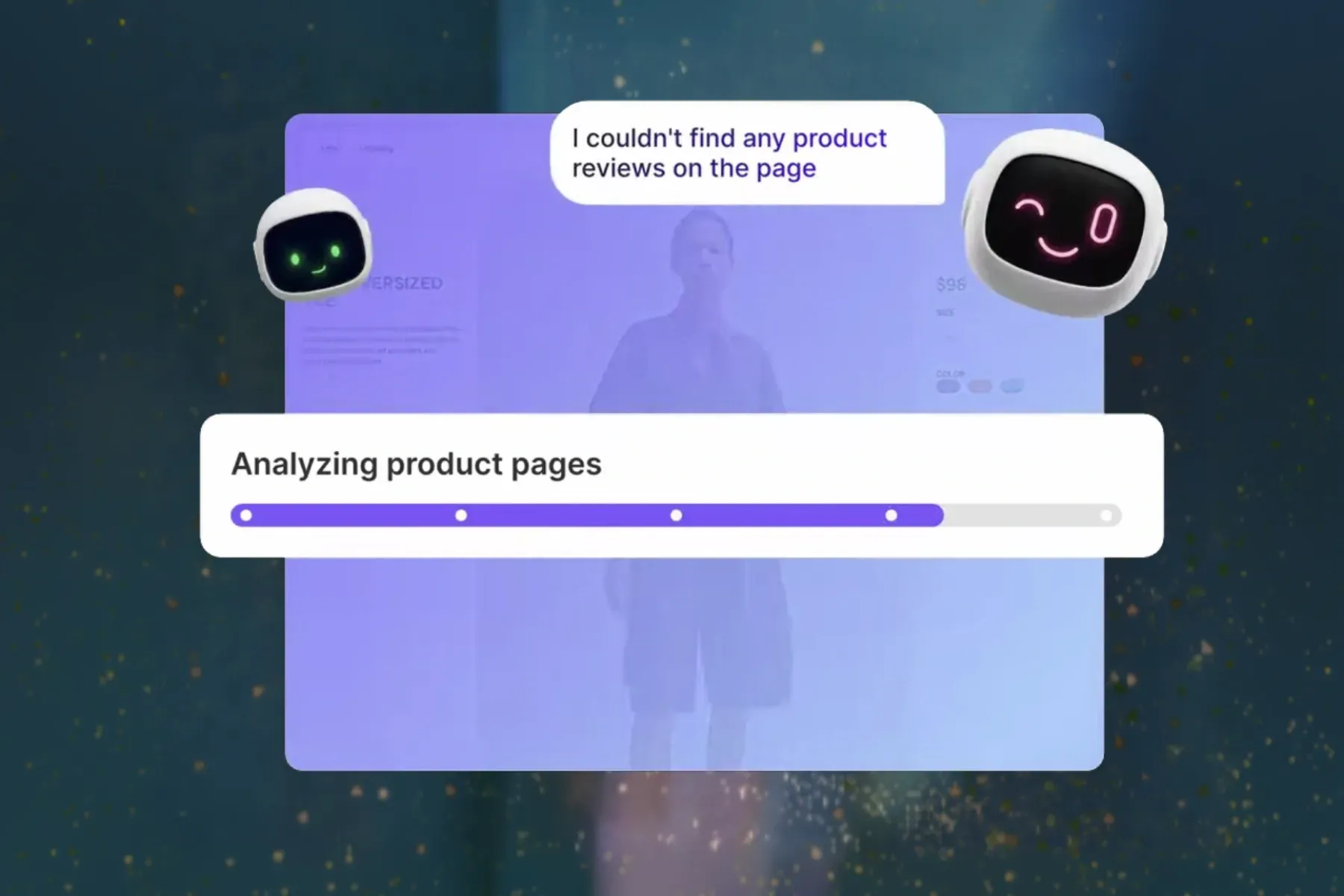
Shopify's analytics updates focus on helping merchants better understand what happened, when it happened and why it happened.
New reporting enhancements, visualisations and annotation capabilities allow brands to connect performance changes with specific business activities.
Why it matters
Data without context rarely drives action.
The ability to connect performance changes with specific business activities makes reporting significantly more valuable.
What merchants should do
Track and annotate:
- Campaign launches
- Promotions
- Product releases
- Website updates
- Seasonal events
This creates clearer visibility into what's driving performance. Understanding these relationships makes reporting significantly more useful.
Data becomes far more valuable when it tells a story.
Key takeaway
Better decisions come from better context, not more data.
8. Omnichannel Retail Continues To Get Stronger
What it is
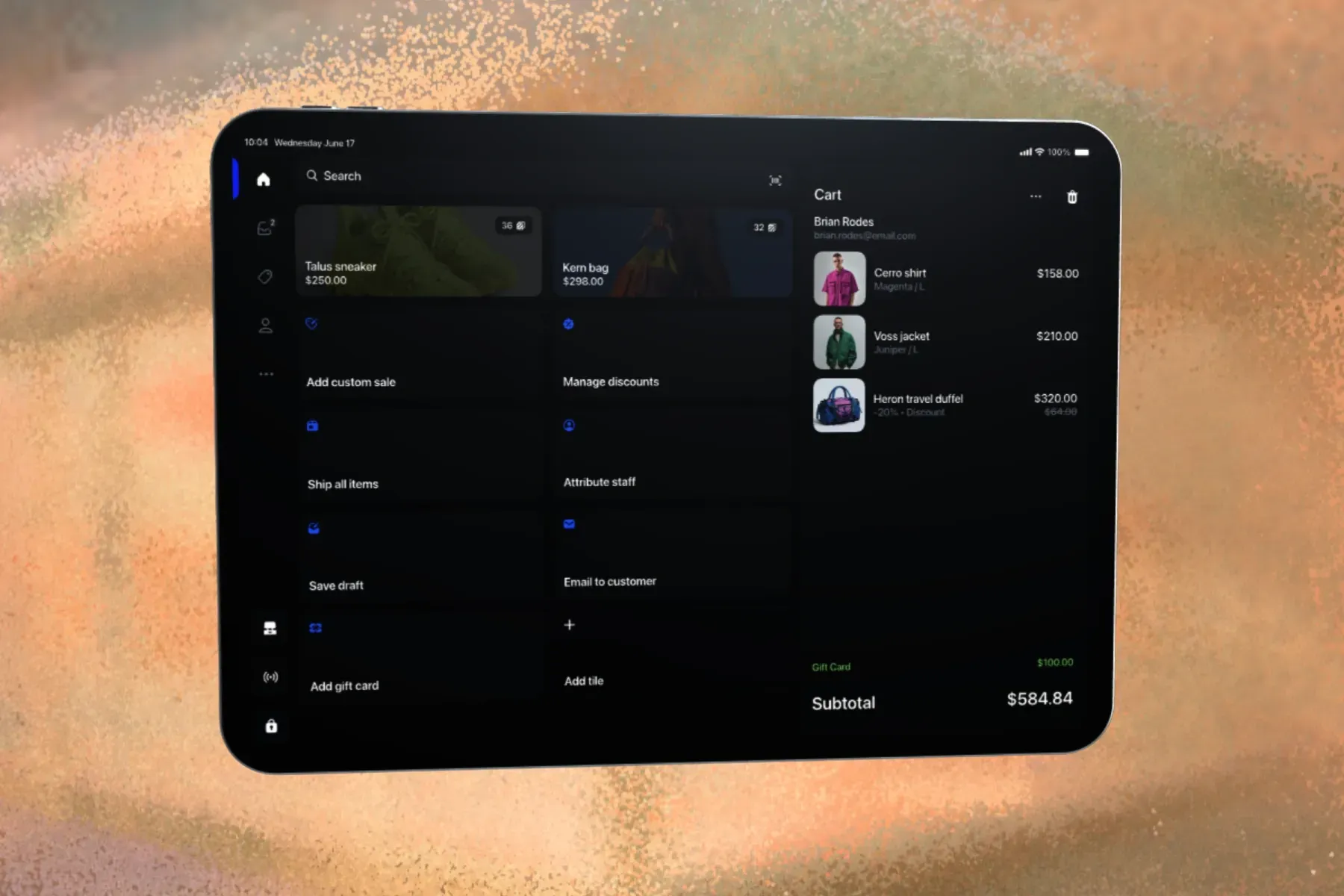
For merchants operating both online and physical retail locations, Shopify continues investing heavily in POS and unified commerce.
The latest POS improvements further connect inventory, customer data and sales activity across channels.
Why it matters
Customers don't think in channels. Customers expect a seamless experience regardless of where they interact with your brand.
The distinction between online and offline retail continues to disappear.
What merchants should do
The merchants creating the strongest customer experiences are those removing operational silos and creating seamless journeys regardless of where the purchase occurs.
- Review POS capabilities
- Audit omnichannel customer journeys
- Explore unified customer profiles
- Ensure inventory accuracy across channels
Key takeaway
Online and offline commerce are becoming one system.
9. One Deadline Merchants Can't Ignore
What it is
Among all the excitement around AI and automation, there is one update that requires immediate attention.
Shopify Scripts were sunset on June 30, 2026. Any Scripts still published on a store have now been deactivated and no longer function.
Why it matters
Any merchant that was still relying on Scripts may already have broken discount, shipping or payment customisations. For some stores this will be straightforward to resolve. For others with more complex checkout logic, the migration may require planning, development resources and proper testing.
The Script Editor remains available in read-only mode until July 30, 2026, which gives merchants a short window to review existing logic and migrate it properly.
What merchants should do
- Audit whether Scripts were previously used
- Identify affected discount, shipping and payment customisations
- Review Script logic in read-only mode before July 30, 2026
- Migrate required functionality to Shopify Functions
- Test thoroughly before relying on the new setup
Key takeaway
If your store was still using Shopify Scripts, this is now an urgent issue.
The Bigger Story Behind Shopify Editions Spring '26
While individual features will attract attention, the most important takeaway from this release isn't any single announcement. It's the direction Shopify is heading.
Across AI shopping, Sidekick, automation, analytics and commerce infrastructure, Shopify is building a platform designed for an increasingly AI-driven future.
Merchants who embrace this shift early will have an advantage, and that doesn't mean chasing every new feature.
It means focusing on the fundamentals:
- Clean product data
- Strong customer experiences
- Structured content
- Efficient operations
- Continuous optimisation
The future of ecommerce isn't just about having a great website.
It's about making your business discoverable, understandable and actionable for both customers and the AI systems helping them shop.
And if Shopify Editions Spring '26 tells us anything, it's that future is arriving faster than many merchants realise.
Need help working out what these updates mean for your store? Get in touch with our team today and we’ll help you prioritise what matters.